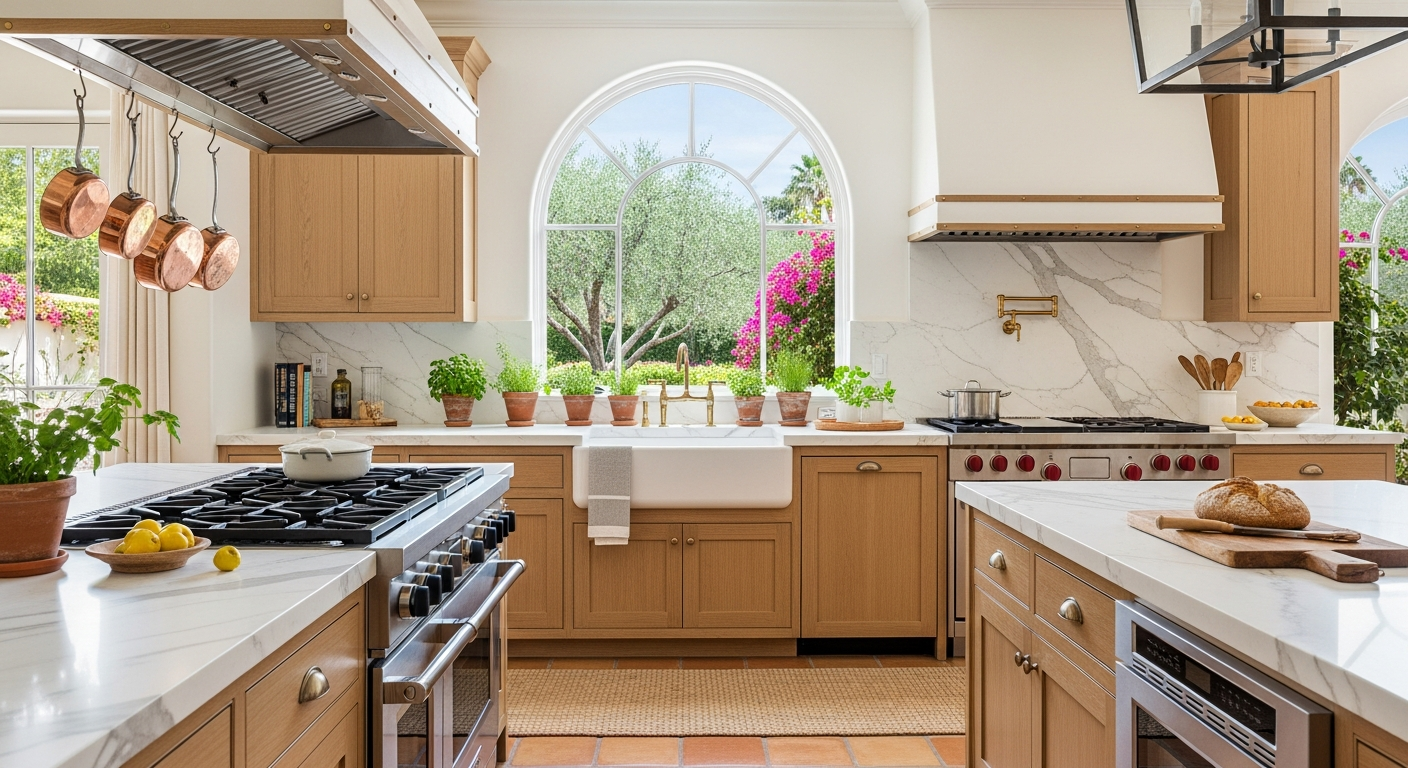
A traditional house (casa), often found in towns or villages. May be spread across several floors and typically has less outdoor space than a villa. Palma is Mallorca's capital and one of the priciest property markets in the Mediterranean. German buyers dominate, particularly in the trendy Santa Catalina district and the historic old town, but interest from British, Scandinavian and other international buyers is growing. New-build is rare in the historic centre, which keeps prices high.
Those who want authentic Spanish town character and a short distance to cafés, shops and city life.
Price level: Typically priced below villas but above apartments — varies a lot depending on location within the town.
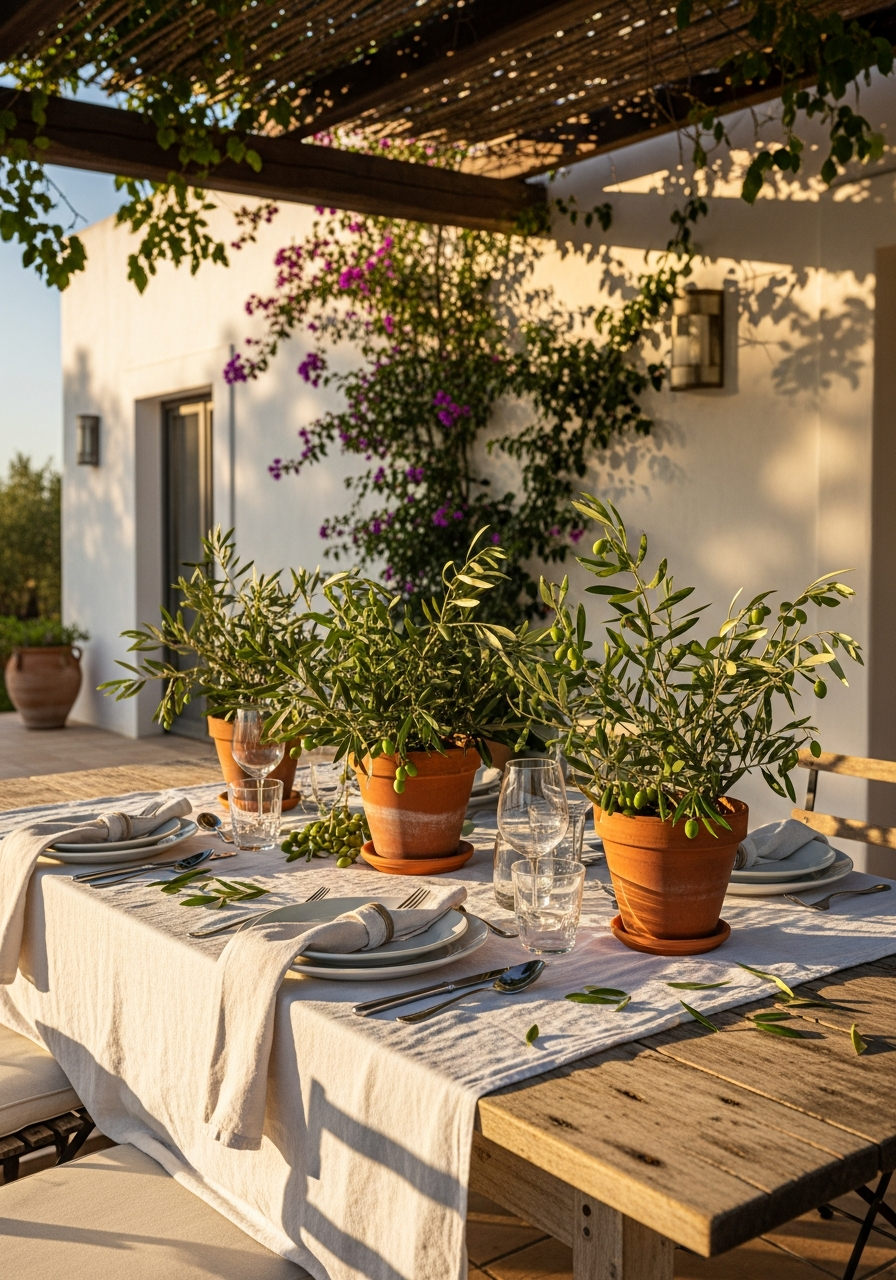
Houses for sale in Palma — what you need to know
Houses for sale in Palma are a popular choice for international buyers on the Mallorca. Here is our complete guide — with prices, practical advice and what to look out for.
Traditional Spanish houses (casas) in Palma offer access to a more authentic urban landscape than the uniform style of holiday urbanizaciones: houses in the older town districts and villages may have original tiled floors, thick walls that keep out the summer heat, and inner courtyards (patios) that are the heart of Andalusian and Valencian everyday life. The property type typically attracts a different buyer than holiday apartments — those looking for a real home with character, close to local town life and built to last a lifetime.
Renovation is a central theme for older houses in Palma — many of the most characterful properties require investment in electrics, plumbing and insulation to bring them up to modern standards. The renovation potential is, however, an opportunity: a well-planned project can transform a tired house into a unique home with a character that new-build can never match. Always check the status of building permits, the property's registration at the land registry and any outstanding legalisation issues before signing anything — an experienced local solicitor with knowledge of Palma is indispensable.
A house in Palma connects you with authentic Spanish everyday life — permanent neighbours, local markets and a home with character shaped by decades of use. The key question to clarify is your purpose: holiday base or full-time residence? That determines which location and condition is right for you. Houses in the historic town centres typically require more maintenance than newer urbanización properties, but in return offer a character and atmosphere that new-build can never replicate.
Prices for houses in Palma
Palma is one of the most expensive and exclusive property markets compared with the rest of the Mallorca. Houses in Palma typically cost 450,000-900,000 EUR — equivalent to around 3,500-7,000 EUR per square metre or more for a well-maintained property. On top of that, allow for the ITP transfer tax (8-11% (progressive based on price) in the Balearic Islands), notary fees and legal fees. Use the mortgage calculator to see what you could borrow.
Prices have shown a stable to rising trend in recent years, driven by growing international demand. Arguably the Mediterranean's most exclusive capital — a Gothic cathedral, a historic old town and one of Europe's priciest property markets. The most sought-after locations — beachfront properties, sea views and central positions — sell quickly and achieve the top end of the price range or above.
Houses in Palma — the town's character and location
Palma is Mallorca's capital and one of the priciest property markets in the Mediterranean. German buyers dominate, particularly in the trendy Santa Catalina district and the historic old town, but interest from British, Scandinavian and other international buyers is growing. New-build is rare in the historic centre, which keeps prices high.
Palma attracts international buyers for: the la seu cathedral and a world-class old town, europe's busiest marinas and maritime life and direct flights to almost all of europe. This makes Palma an attractive place to buy a house — not only for personal use but also for letting out and future resale. Need an English-speaking local estate agent in Palma? Contact us here and we will put you in touch with the right local advisor.
Buy houses in Palma — the process step by step
Houses in Palma are a solid investment on the Mallorca — and the process follows the same steps as for any Spanish property type. Buying houses in Palma requires an NIE tax number, a Spanish bank account and an independent solicitor to review the property and confirm there are no loans or legal proceedings attached to it. Once you have found the right property, an arras contract is signed (a reservation agreement with a deposit of typically 10%) before the final completion at the notary.
As an international buyer who owns a house in Palma, it is important to understand the tax implications in your home country: most tax authorities require you to declare foreign property ownership, and any rental income must be taxed in Spain and declared at home (double taxation treaties prevent you from being taxed in full twice). A tax advisor experienced in Spanish cross-border taxation is a sound investment from the very start. Ready for the next step? Get in touch and we will find an English-speaking estate agent in Palma to guide you through it.
FAQ: Houses in Palma
What do houses in Palma cost?
Houses in Palma typically cost 450,000-900,000 EUR, depending on location, condition and any views. Beachfront properties and those with sea views are at the upper end of the range. Remember to add ITP transfer tax (8-11% (progressive based on price) in the Balearic Islands) plus notary and legal fees to the buying costs.
Is a house in Palma a good choice?
Those who want authentic Spanish town character and a short distance to cafés, shops and city life. Palma is on the Mallorca and offers one of the most expensive and exclusive property markets — making a house here an attractive choice compared with many other destinations on the coast.
What should I check when buying a house in Palma?
Condition and legal status — always get an independent structural survey and check via the nota simple that the property is correctly registered with no loans or charges.
Can I let out my house in Palma when I am not using it?
Yes. Short-term letting requires a tourist licence issued by the the Govern de les Illes Balears. The licence number must appear in all listings on Airbnb and Booking.com, and fines for unlicensed letting can run into tens of thousands of euros.
Want to buy a house in Palma?
Contact us for a no-obligation chat about houses in Palma. We give impartial advice and help you move forward — wherever you are in the process.
Contact us about houses in Palma