Mallorca is the largest of the Balearic Islands and one of the Mediterranean's most sought-after property markets — known for its blend of an exclusive capital, dramatic Tramuntana mountains and some of Europe's most beautiful bays. German buyers have made the island their favourite overseas destination for decades, and interest from British, Scandinavian and other international buyers keeps growing. This guide covers everything you need to know about living, renting or buying property on Mallorca.
Towns and destinations
Property on Mallorca
Here we gather every property type on the Mallorca — villas, apartments, houses and more.
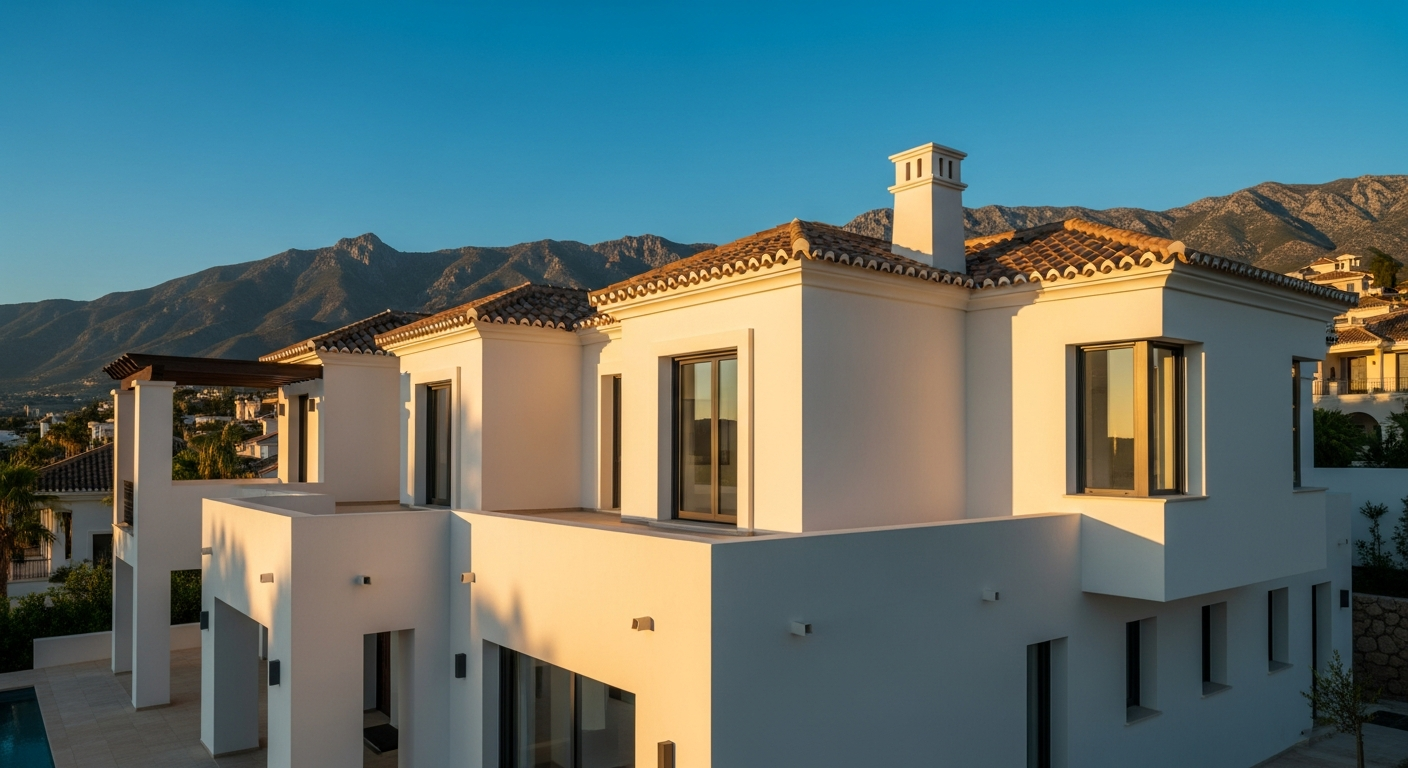
Villa
A detached single-family home, often with a private pool and plot. The most popular property type among international buyers on the Costa del Sol — especially in Marbella, Estepona and Sotogrande.
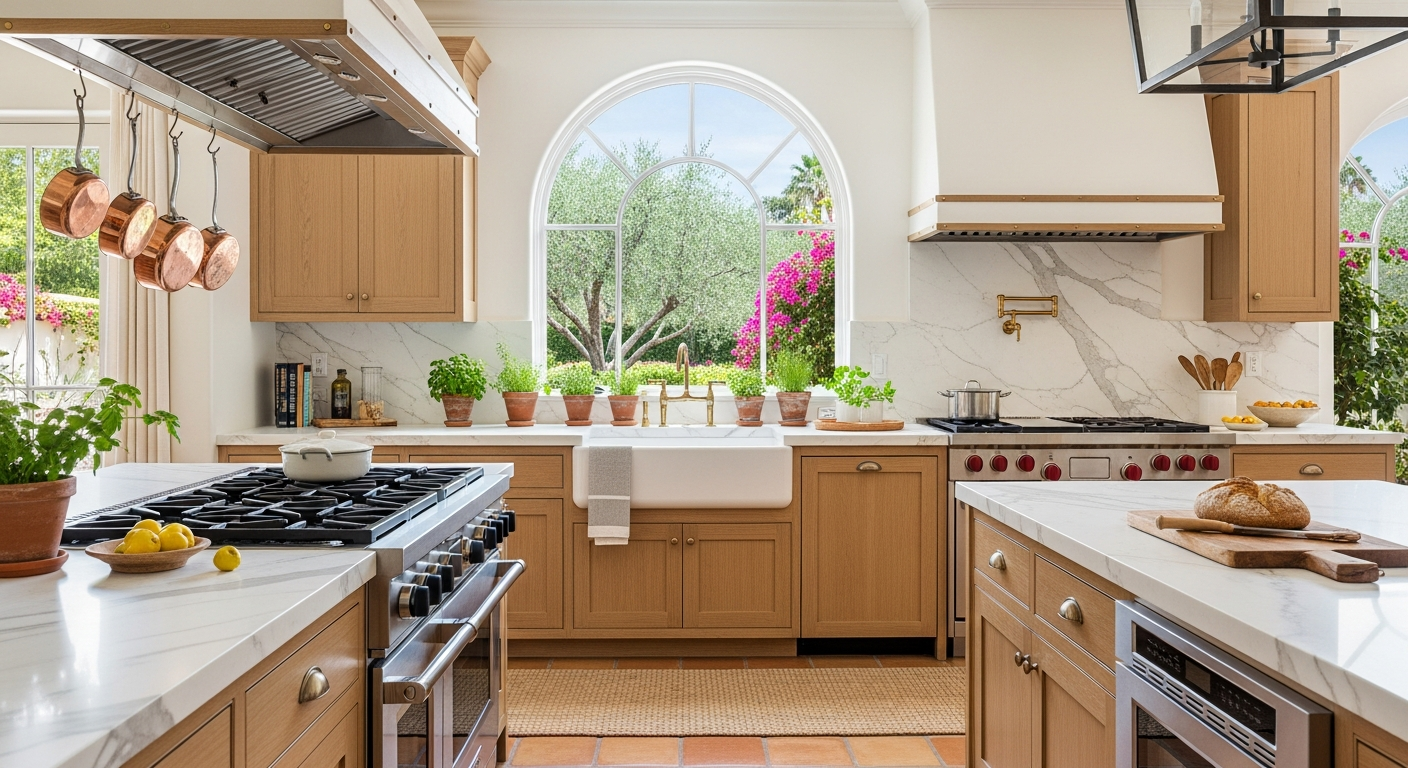
House
A traditional house (casa), often found in towns or villages. May be spread across several floors and typically has less outdoor space than a villa.
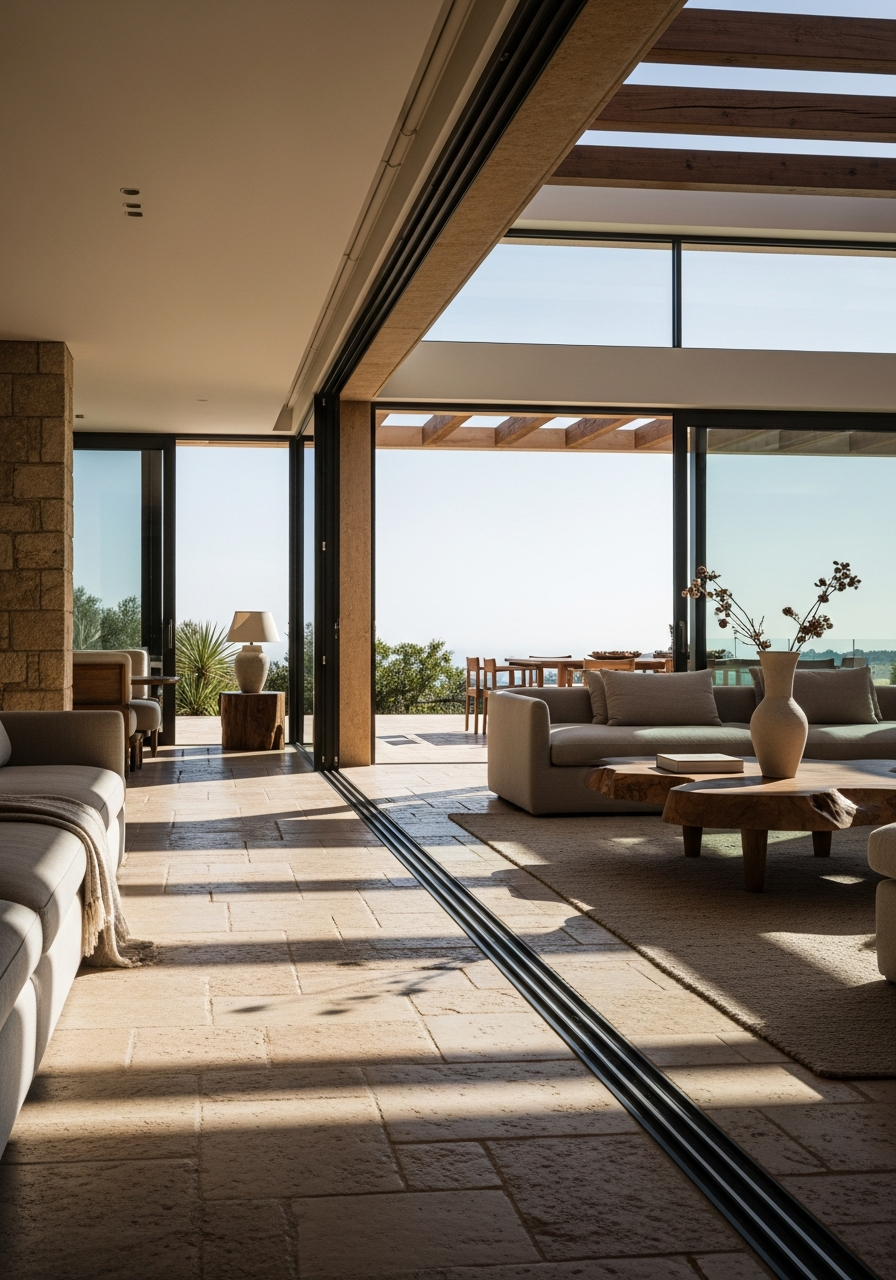
Apartment
An apartment (piso/apartamento) in a residential building, often with access to a shared pool and facilities. The most common and affordable property type on both coasts.
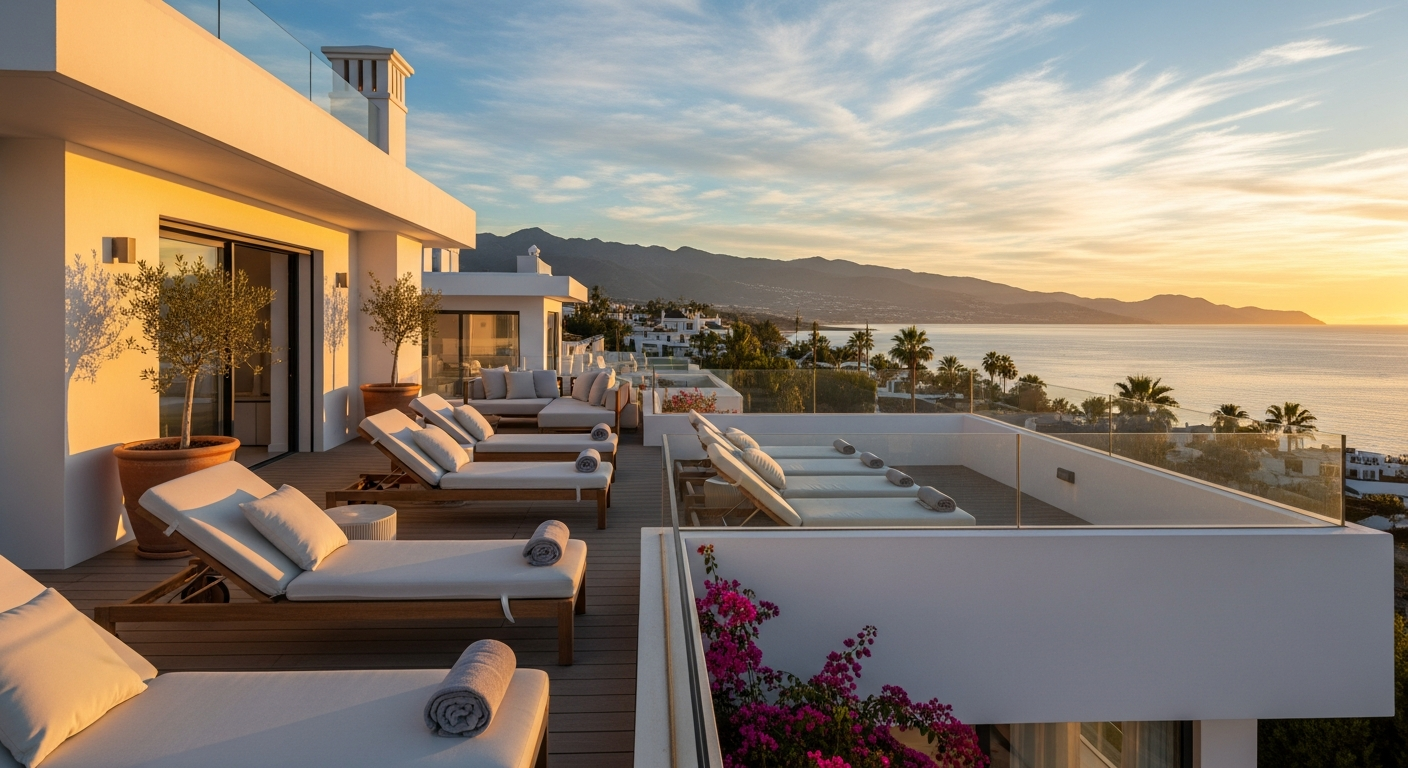
Penthouse
A top-floor apartment (ático) with a large terrace and often panoramic sea views. Priced at the higher end of the apartment market.
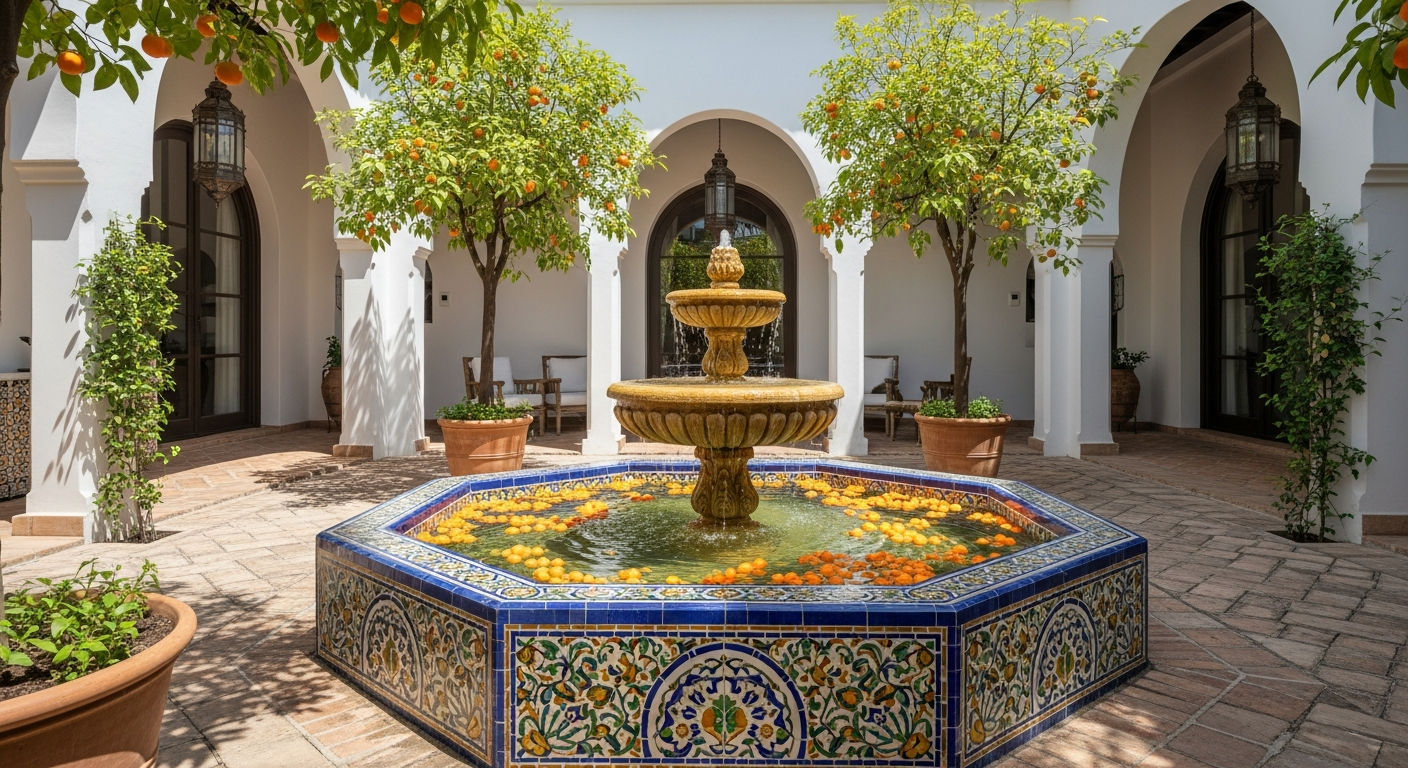
Townhouse
A terraced or semi-detached house (adosado/pareado) within an urbanisation. A good middle ground between an apartment and a villa.
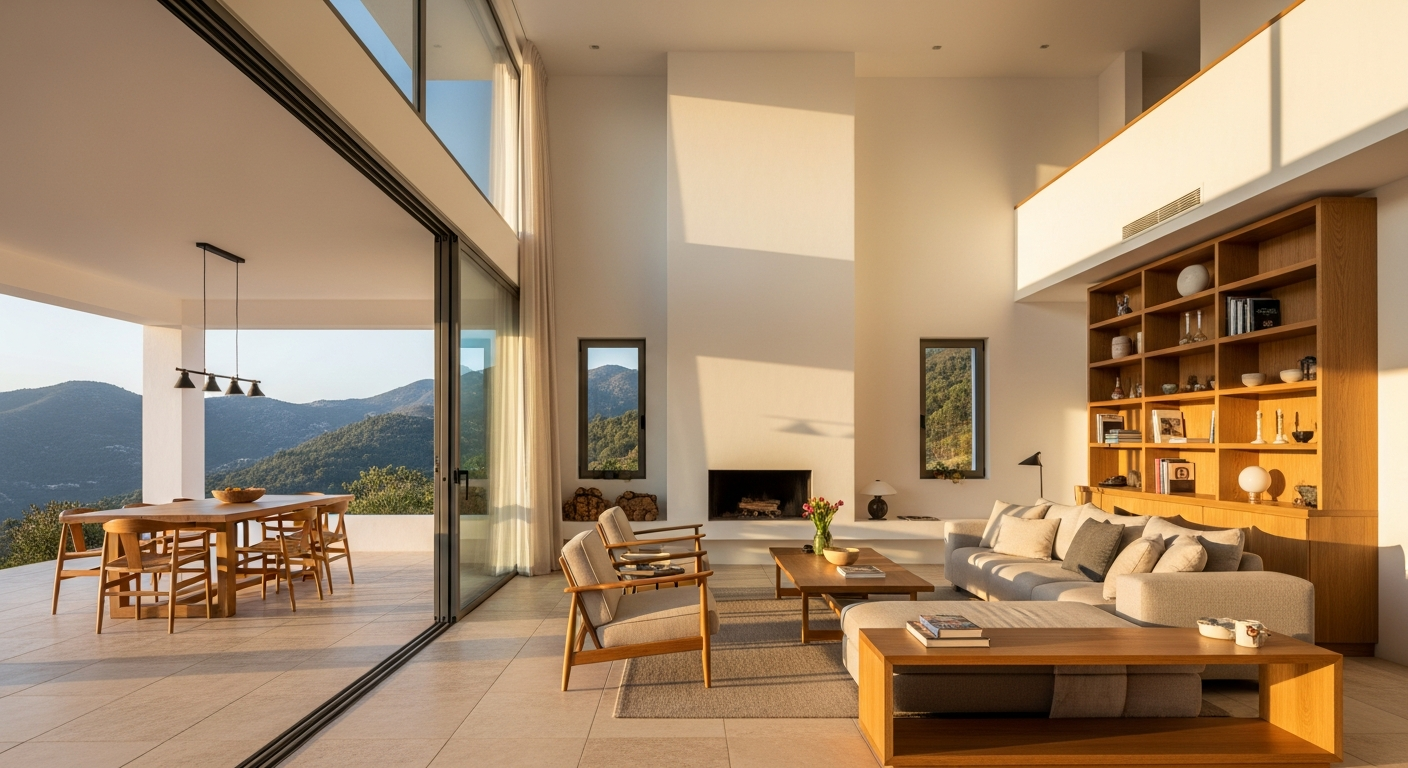
Bungalow
A low, single-level house with no stairs — popular among seniors and those who want easy accessibility.
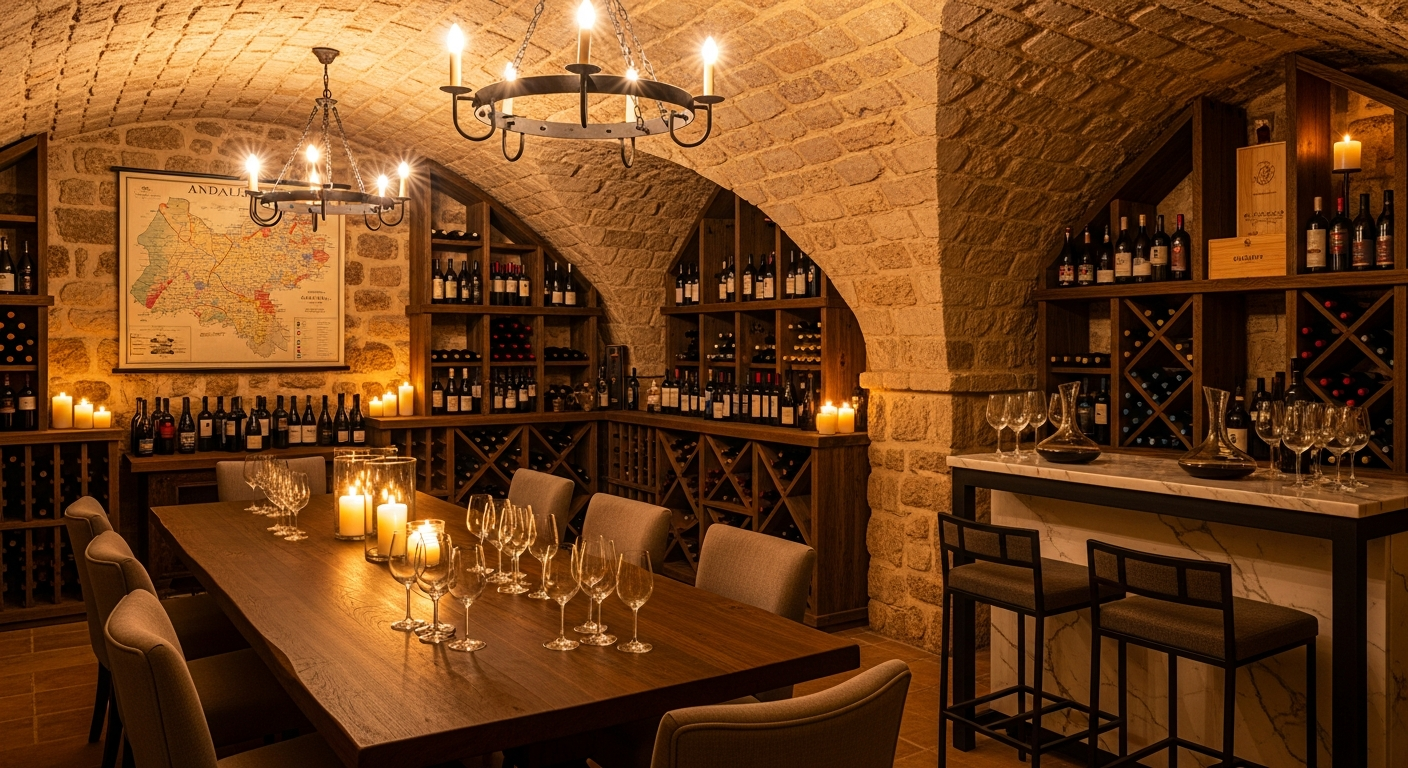
Finca
A country property (finca/cortijo) outside town, often with land and natural surroundings. Popular in inland Andalusia and the hinterland of the Costa Blanca.
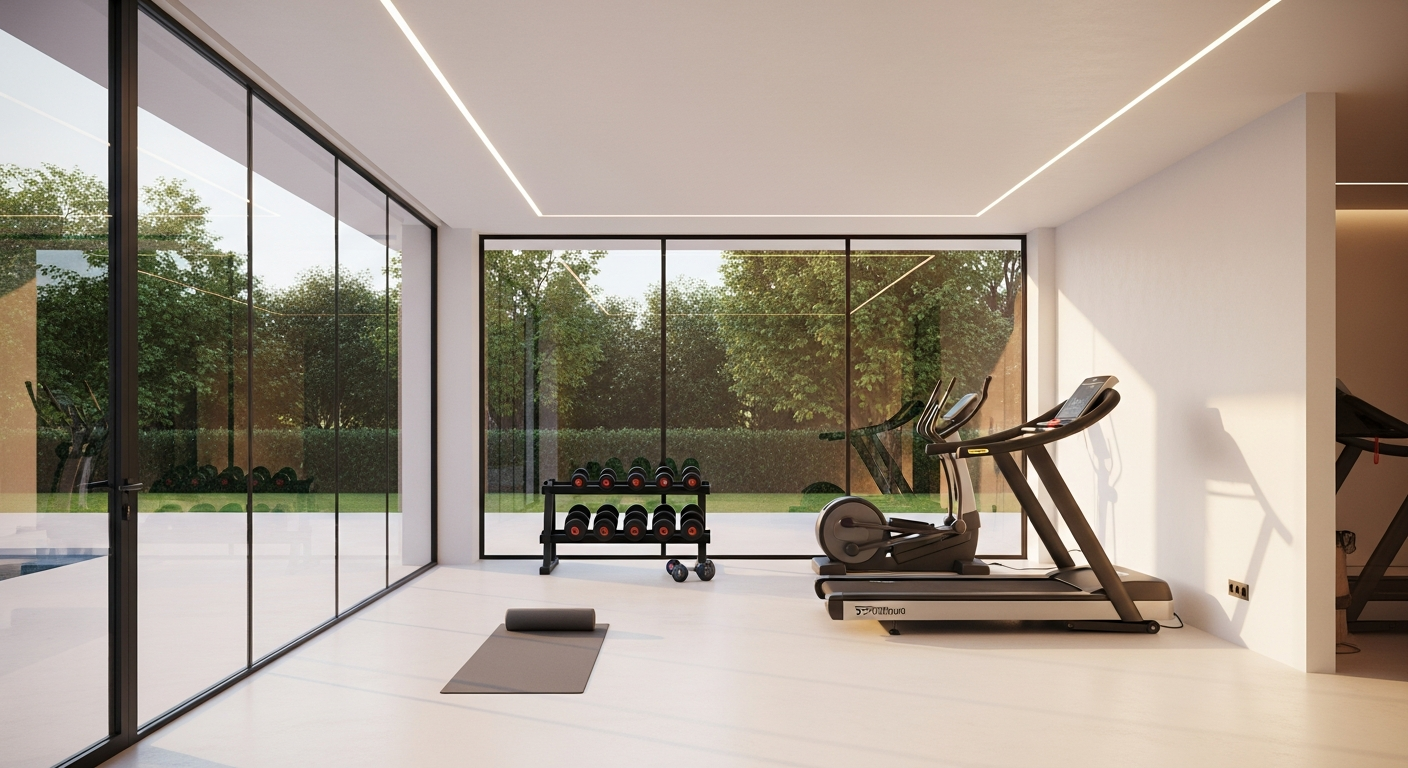
Timeshare
Shared ownership (multipropiedad) typically found at holiday resorts — you own a share and have the right to use it for part of the year. Less common, but available at select resorts.
Climate
Mallorca has a Mediterranean climate that is slightly cooler and more varied than the mainland Costa del Sol and Costa Blanca — the sea breeze (embat) tempers the summer heat, while the Tramuntana mountains in the north bring more greenery and rain than the rest of the island. With around 300 days of sunshine a year the climate is still among Europe's best, but winter (December-February) is cooler than on the mainland (10-16°C) and has more rainy days.
Best months to visit: April-June and September-October give the best weather without the summer heat and crowds. July-August is hot (28-32°C) and the busiest period. December-February is mild but wet — great for golf and walking, less ideal for beach life.